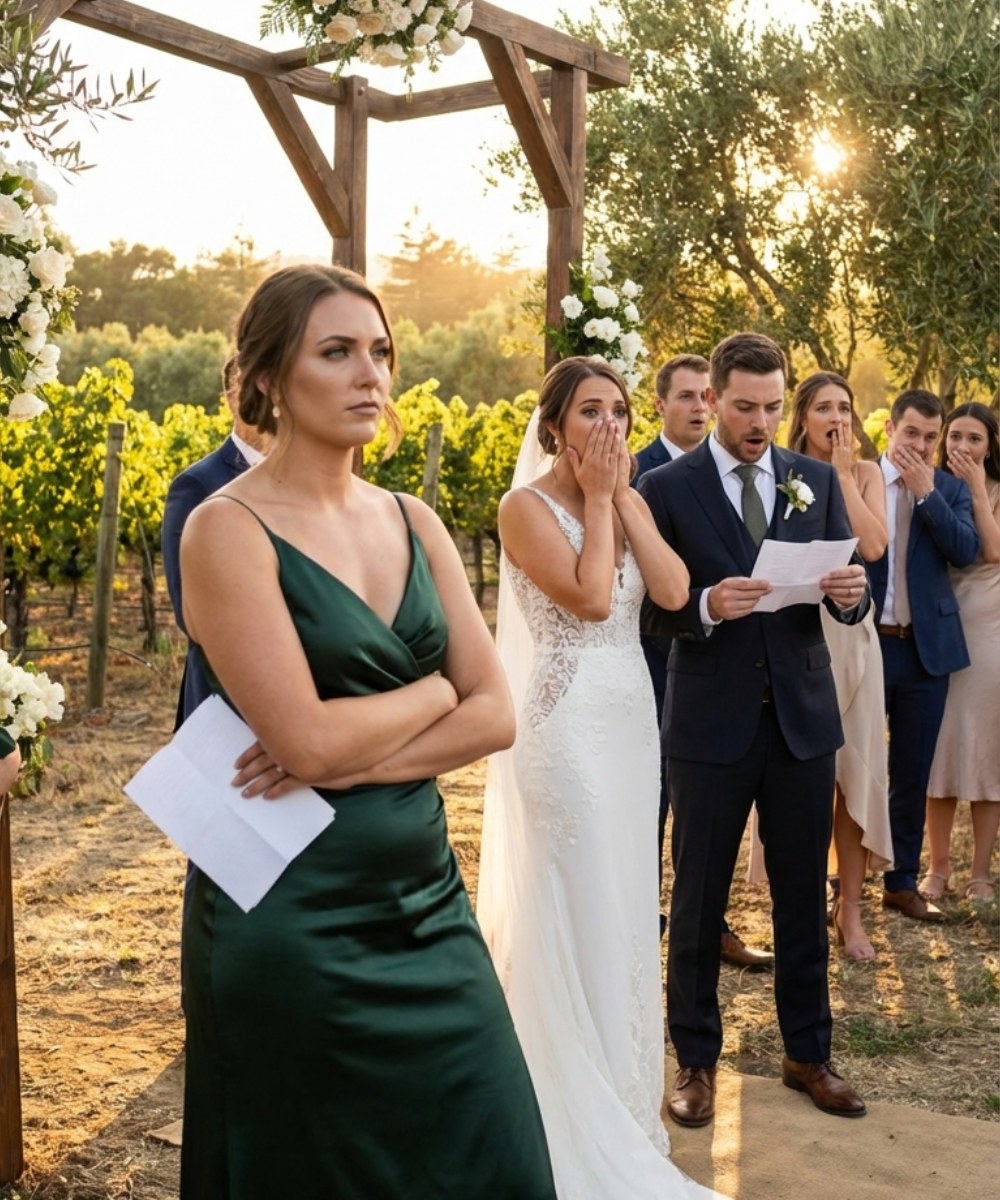
Nazywa się Carmen, kobieta, która wychowała mnie samotnie po śmierci ojca, osoba, której ufałam bardziej niż komukolwiek innemu na świecie. Wiadomość brzmiała:
"Kochanie, powiedziałem Laurze o dzisiejszym rozwodzie. Wkrótce będziemy mogli być razem bez kłamstw."
Przez dłuższą chwilę nie mogłem oddychać. Czytałem ją raz za razem, przekonany, że mój umysł źle interpretuje słowa. Ale nie było żadnego nieporozumienia. Moja mama i mój mąż byli razem. Nie na krótko. Nie ostatnio. Wystarczająco długo, by mówić o "wreszcie" byciu szczerym.
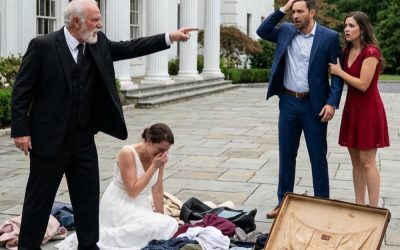
Kiedy ich skonfrontowałem, nie zaprzeczyli.
Mama mówiła, że miłość nie ma wieku, zasad, granic. Javier powiedział, że już go nie uszczęśliwiam.
Neither of them apologized. Neither of them showed shame. They acted as if I were an obstacle that had finally been removed.
The family fractured immediately. Some relatives avoided me entirely. Others told me I should accept it, forgive, move on. “Why destroy yourself over something that’s already happened?” they asked, as if betrayal were a natural disaster instead of a choice.
The divorce moved quickly. Coldly. I lost the house I had lived in for a decade. I lost friendships that didn’t want to “take sides.” And I lost my mother—who stopped calling as if I had died.
Three months later, an envelope arrived.
An invitation.
Their wedding.
Javier and Carmen were getting married in a small civil ceremony at the town hall. Nothing extravagant. Quiet. Respectable. As if nothing scandalous had happened at all.
Everyone assumed I wouldn’t attend. I assumed it too—for a while.
But while people encouraged me to forget the past, I did the opposite. I began sorting through documents I had ignored for years. Bank statements. Old emails. Contracts I had signed without reading because I trusted my husband. Dates that didn’t align. Transfers that made no sense.